
11th Edition of World Congress on Infectious Diseases
June 28-30, 2027 | Rome, Italy

Actinomyces Gerencseriae
Actinomyces gerencseriae is a Gram-positive, anaerobic bacterium that belongs to the Actinomyces genus. While Actinomyces species are commonly found in the oral cavity and gastrointestinal tract, Actinomyces gerencseriae is specifically associated with human clinical infections. It has been implicated in a variety of infections, including cervicofacial actinomycosis, an infection that primarily affects the head and neck regions. Cervicofacial actinomycosis caused by Actinomyces gerencseriae typically presents as slowly progressing, indurated abscesses or masses, often with draining sinuses. The infection is characterized by the formation of sulfur granules, which are microscopic colonies of the bacterium. Diagnosis involves clinical evaluation, imaging studies, and often, microscopic examination of purulent material. Treatment of Actinomyces gerencseriae infections typically requires a prolonged course of antibiotics, such as penicillin or amoxicillin. Surgical drainage or excision of abscesses may be necessary in some cases. The prognosis is generally favorable with appropriate and timely intervention, but delays in diagnosis and treatment can lead to chronic, debilitating disease.
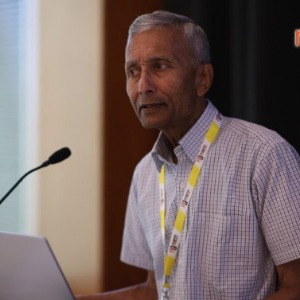
Ranjan Ramasamy
ID-FISH Technology, United States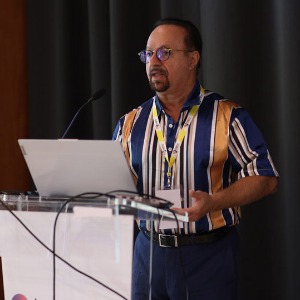
Yazdan Mirzanejad
University of British Columbia, Canada
Elena Chiappini
University of Florence, Italy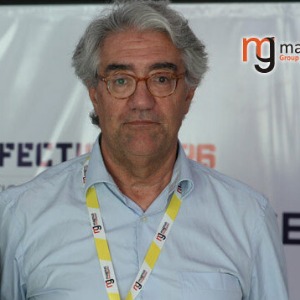
Pedro Plans Rubio
College of Physicians of Barcelona, Spain
Saurabh Chattopadhyay
University of Kentucky College of Medicine, United States
Masafumi Seki
Saitama Medical University International Medical Center, Japan
Swapan K Nath
Anne Burnett Marion School of Medicine at Texas Christian University, United StatesSubmit your abstract Today


Title : Diagnostic approaches, predictive and prognostic assessments, monitoring, treatment & management of infectious diseases and disease prevention
Sergey Suchkov, N.D. Zelinskii Institute for Organic Chemistry of the Russian Academy of Sciences & InMedStar, Russian Federation
Title : Climate change & increasing pollution and respiratory illnesses
Yazdan Mirzanejad, University of British Columbia, Canada
Title : Climate change & increasing tickborne illnesses
Yazdan Mirzanejad, University of British Columbia, Canada
Title : The accelerated timeline: Human ecology, climate change, and the next global outbreak
Claudia Ferreira, Sorbonne University, France
Title : Invasive group A streptococcal infections in children: Current therapeutic challenges
Elena Chiappini, University of Florence, Italy
Title : Trends of treatment and vaccines for influenza, COVID-19, and pneumococcal diseases
Masafumi Seki, Saitama Medical University International Medical Center, Japan