
11th Edition of World Congress on Infectious Diseases
June 28-30, 2027 | Rome, Italy

Respiratory Syncytial Virus
Respiratory Syncytial Virus (RSV) is a common and highly contagious virus that primarily affects the respiratory system, particularly in infants and young children. It belongs to the Paramyxoviridae family and is a leading cause of bronchiolitis and pneumonia in children under the age of two. RSV is characterized by symptoms such as coughing, sneezing, fever, and difficulty breathing. The virus spreads through respiratory droplets and can survive on surfaces for several hours, contributing to its ease of transmission. While RSV infections are generally mild in healthy individuals, they can lead to severe complications in vulnerable populations, including premature infants, older adults, and individuals with weakened immune systems. The virus can cause inflammation and obstruction of the small airways, leading to respiratory distress. In extreme instances, hospitalization might be necessary to provide supportive measures, such as administering oxygen therapy. RSV typically exhibits seasonal patterns, with outbreaks occurring in the fall and winter months. Though there is no specific antiviral treatment for RSV, preventive measures such as good hand hygiene, avoiding close contact with sick individuals, and practicing respiratory etiquette can help reduce the risk of infection. Researchers continue to work on developing vaccines and antiviral medications to mitigate the impact of RSV, particularly in high-risk populations. Overall, understanding and addressing the challenges posed by Respiratory Syncytial Virus remain crucial in safeguarding public health.
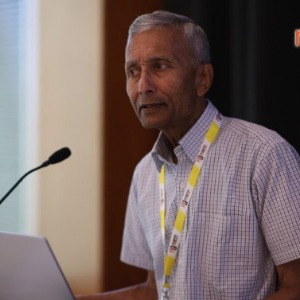
Ranjan Ramasamy
ID-FISH Technology, United States
Yazdan Mirzanejad
University of British Columbia, Canada
Elena Chiappini
University of Florence, Italy
Pedro Plans Rubio
College of Physicians of Barcelona, Spain
Saurabh Chattopadhyay
University of Kentucky College of Medicine, United States
Masafumi Seki
Saitama Medical University International Medical Center, Japan
Swapan K Nath
Anne Burnett Marion School of Medicine at Texas Christian University, United StatesSubmit your abstract Today


Title : The accelerated timeline: Human ecology, climate change, and the next global outbreak
Claudia Ferreira, Sorbonne University, France
Title : Climate change & increasing pollution and respiratory illnesses
Yazdan Mirzanejad, University of British Columbia, Canada
Title : Climate change & increasing tickborne illnesses
Yazdan Mirzanejad, University of British Columbia, Canada
Title : Diagnostic approaches, predictive and prognostic assessments, monitoring, treatment & management of infectious diseases and disease prevention
Sergey Suchkov, N.D. Zelinskii Institute for Organic Chemistry of the Russian Academy of Sciences & InMedStar, Russian Federation
Title : Invasive group A streptococcal infections in children: Current therapeutic challenges
Elena Chiappini, University of Florence, Italy
Title : Global and regional routine pertussis vaccination coverage and anti-pertussis herd immunity levels in 2024, and variation from 2019 to 2024
Pedro Plans Rubio, College of Physicians of Barcelona, Spain